
Board Members

Sandra Coyner is a retired Professor of history (Ph.D.), women’s studies, and was Director of several university interdisciplinary academic programs. She led in unionizing marginalized faculty and promoting quality in assessment of student learning. She was also President of the National Women's Studies Association. Her longest and deepest engagement in community activism has been in many facets of the feminist movement for many decades, up to and including current leadership in American Association of University Women. Passionate about challenging injustice and economic inequality, she was active in the Ashland Citizens Coalition on Homelessness; is an active supporter and occasional board member of several local and regional organizations that promote justice, nonviolence, and environmentalism; and has volunteered on local Democratic Party campaigns. She also currently leads two book discussion groups in Ashland. She serves on HCAO's Legislative Committee.
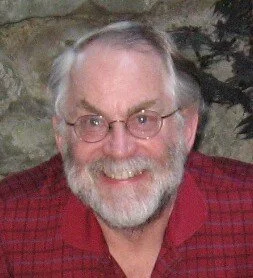
Joe Graf is a retired professor of geology and environmental studies and holds a Ph.D. in Geology and Geophysics. He held the academic administrative positions of Head of the Geology Department at Kansas State University and Dean of Sciences at Southern Oregon University. He is the current chair of the Rogue Valley Chapter of HCAO and served on the HCAO/HCAO Action Budget Committee. He was a founding Board Member and Board President of the Deer Creek Center for Field Research and Education and Founding Board
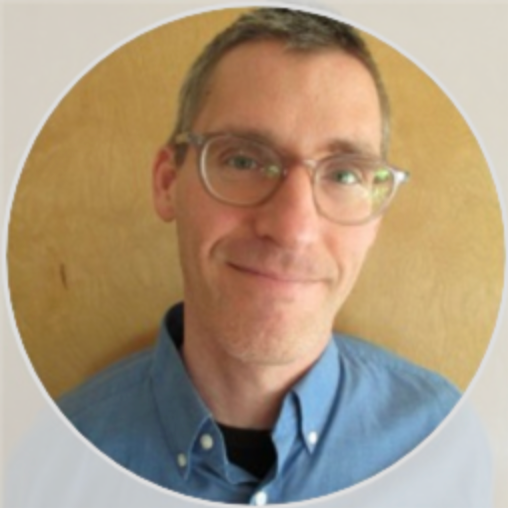
Engaged in Oregon state politics for over a decade, Patrick Leyshock worked at Oregon Health and Science University from 2015 to 2021, helping the Knight Cancer Institute establish their Precision Oncology program; he is currently employed at Providence Health and Services. Patrick is also a founding board member of two Portland-based non-profits, and a member of the Portland Chapter of the Democratic Socialists of America. Patrick holds BA and MA degrees in Philosophy from Reed College and Arizona State University, respectively, and a PhD in Computer Science from Portland State University. In his free time he enjoys riding, racing, and wrenching on motorcycles.
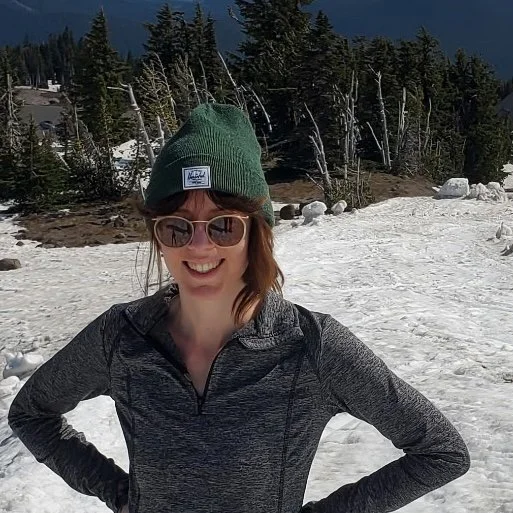
Emma Oppenheim is a health policy expert with professional experience at the federal, state, and local level. Her work has included Medicaid managed care and waivers, behavioral health, Medicare value-based care, and state-based health exchange affordability policy. Emma also has considerable experience with political campaigns and advocacy efforts. She holds undergraduate degrees in Political Science and Community Health from Tufts University and a Master’s in Health Policy from the Johns Hopkins Bloomberg School of Public Health. In her spare time, she enjoys exploring Oregon parks and going to concerts.

Charlie Swanson is a retired physicist who taught at the high school, community college, and university level. He was president of his faculty union local at a small high school. He has been active in HCAO since 2011, chair of the legislative committee of HCAO from 2015 to 2016, then of the HCAO Action legislative committee when HCAO Action was formed in 2016 and the committee moved to HCAO Action. He has been involved with planning for a universal system in Oregon as a member of the Finance & Revenue Committee and the Transition Committee of the Universal Health Plan Governance Board. Prior to that, he was a member of Oregon’s 2017 Universal Access to Health Care legislative work group.
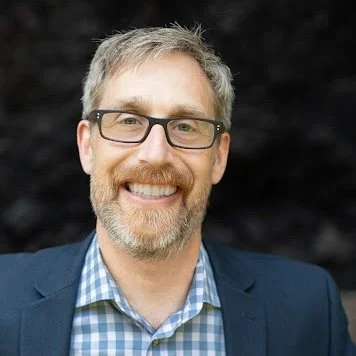
Jake Weigler has supported single-payer health care since arguing for it on his high school debate team. Previously a staffer for Oregon's governor, attorney general, and superintendent of public instruction, today Jake is a partner at Praxis Political. He is also the board chair of the Portland Urban Debate League. He lives in Portland with his wife, two daughters, and an ever-evolving collection of pets.